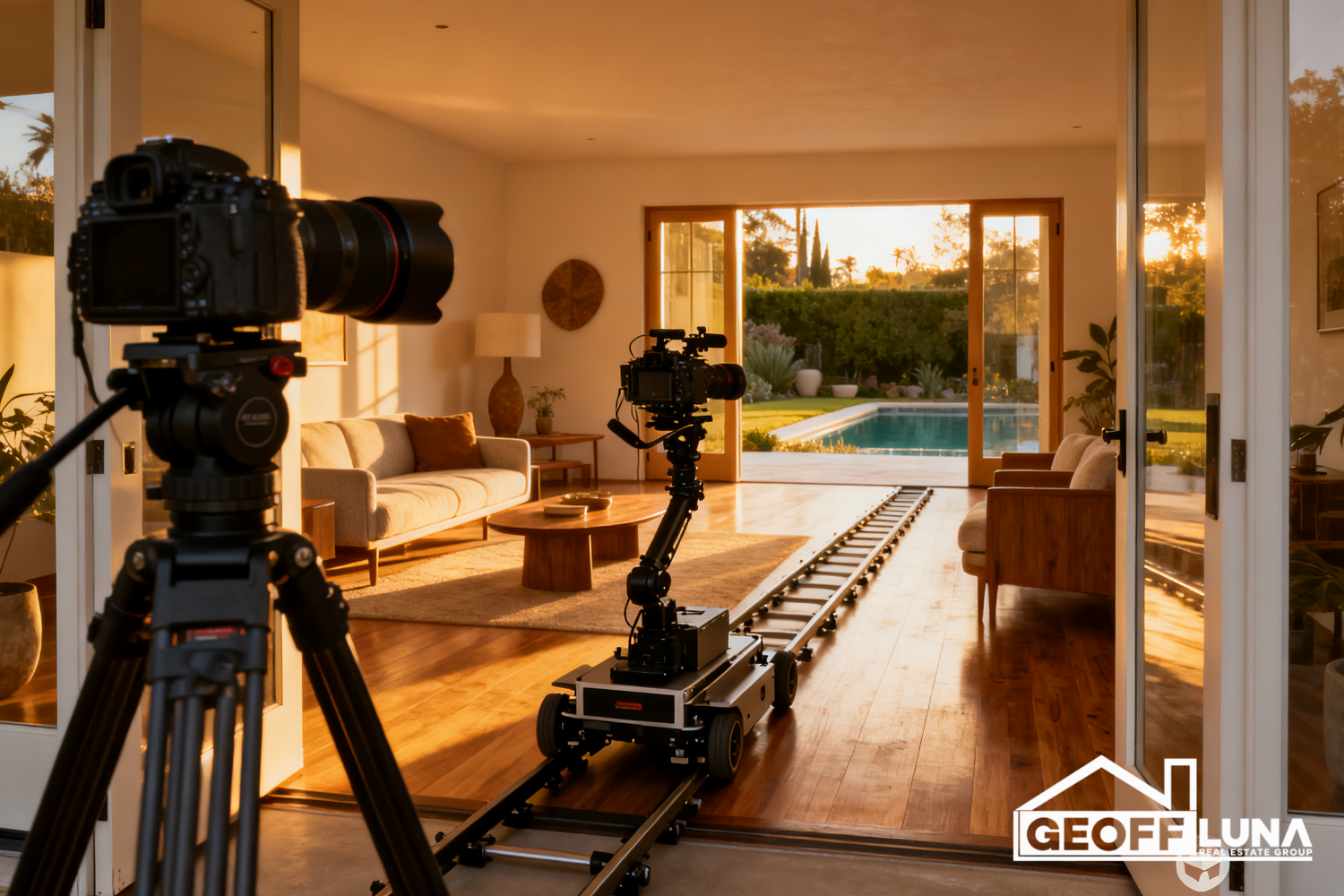
Professional Real Estate Photography and Video for Listings
Professional photos and video present a property by accurately showing its layout, scale, condition, natural light, key features, and the flow between rooms so buyers can decide whether to visit in person. They are not a promise of offers, views, or a higher sale price; their practical role is to set accurate expectations, reduce wasted showings, and help buyers mentally place themselves in the home.
How Professional Real Estate Photography And Video Support A Listing
High-quality listing photography and well-produced property video each serve different but complementary purposes:
- Photography — still images capture composition, materials, finishes, and the most sale-relevant angles of interior rooms and the exterior. Good photos highlight scale, sight lines, and usable outdoor spaces.
- Property video — short walk-throughs or cinematic tours show how spaces connect, the pace of movement through the house, and how light changes across rooms. Videos communicate flow better than single images.
- Supplemental visuals — aerial/drone shots, twilight exteriors, floor-plan images, and 3D tours add context about lot size, neighborhood relationship, and room proportions.
Why Accurate Visuals Matter To Buyers And Sellers In Southern California
In our region, many buyers begin online and use images or video to decide which listings to tour. Accurate visual presentation helps buyers understand layout, room proportions, visible condition issues, and outdoor living potential—factors that strongly influence whether a buyer schedules an in-person visit. For sellers, that same clarity reduces surprise at inspection and helps put the property in front of qualified, interested buyers.
What Professional Media Communicates That Listing Text Cannot
- Scale and flow: Videos and sequences of photos show how a living room opens to a kitchen or how a primary suite connects to an outdoor space.
- Condition and materials: Close-up photography reveals finishes, while careful lighting exposes wear that room descriptions might obscure.
- Natural light and sight lines: Time-of-day shots or short video clips show window orientation and light quality.
- Neighborhood context: Drone or exterior shots place the home in relation to streets, yards, and nearby amenities.
Practical Tradeoffs And Decisions To Consider
Hiring a professional photographer or videographer requires tradeoffs you should weigh before scheduling a shoot:
- Cost versus reach: Professional media requires an upfront investment. Decide which assets you need based on price, property type, and target buyers. For example, a condo with limited exterior interest may benefit most from exceptional interior photography and a 3D tour, while a property with views may justify drone and twilight photography.
- Timing and staging: Preparing, staging, and timing shoots (morning light, golden hour exteriors) add coordination time. Plan the shoot early in the listing process so images are ready when the listing goes live.
- Accuracy versus enhancement: Avoid over-editing. Excessive virtual staging, unrealistic HDR, or misleading sky replacements can create buyer disappointment and risk of complaints. Visuals should represent the property honestly.
- Asset mix: Decide which combination of photos, video, floor plans, and 3D tours best communicates your home’s strengths to the likely buyer profile.
Preparing Your Home For A Successful Shoot
Simple preparation improves results and often shortens the shoot time. Use this checklist before the photographer arrives:
- Declutter counters, remove personal photos, and hide everyday items.
- Clean visible surfaces, windows, and outdoor areas.
- Arrange furniture to show clear pathways and function for each room.
- Turn on indoor lights and open window coverings to maximize natural light.
- Tend to landscaping, remove hoses and toys, and stage outdoor seating where appropriate.
- Plan access to attics, garages, and other spaces you want captured.
Questions To Ask The Photographer And Your Agent
- What sample galleries can you provide for similar properties in Southern California?
- Which deliverables are included (number of photos, video length, drone shots, floor plans)?
- How will images be edited, and what are your limits on virtual staging or content changes?
- Who controls usage rights for the images and video once they’re produced?
- How will these assets be optimized for online platforms and mobile viewing?
How Visuals Fit Into A Full Marketing Plan
Visuals should be selected to support the channels where buyers search: MLS, brokerage websites, social media, and video platforms. When a listing’s photos and video align with the written description and price strategy, buyers receive a consistent message about condition and value. If you’re evaluating representation, consider how an agent coordinates photography, staging, and distribution as part of a comprehensive plan. Explore our home-selling services to learn how media fits into a full-service approach.
Video Formats And When To Use Them
Different video formats serve different goals. Short walk-throughs (typically around a minute) are useful for social sharing and quick tours. Longer guided tours or narrated videos help buyers understand layout and neighborhood context. For creative approaches and examples of how agents use video strategically, see NAR’s article on video-driven real estate marketing.
Avoid These Common Pitfalls
- Using low-resolution or cellphone photos that misrepresent size or condition.
- Over-editing colors and skies so the images become misleading.
- Skipping exterior shots or aerial context when lot, views, or outdoor space are selling points.
- Rushing the shoot without a plan for which rooms and features must be prioritized.
Choosing Representation That Manages Visuals Well
Ask prospective agents how they select photographers, what quality standards they require, and how they handle turnarounds and distribution. A full-service listing approach should coordinate staging, professional media, and the listing timing to present the property consistently across platforms. For more background about our team and approach, Learn about Geoff Luna Group.
Final Considerations
Good photography and video make the property’s strengths clear and set accurate expectations for buyers. They are tools that support a thoughtful pricing and marketing strategy, but they do not guarantee specific results such as increased views, offers, or a higher sale price. When selecting media, aim for truthful representation, choose formats that answer buyer questions about layout and condition, and coordinate timing with staging and listing launch.
Get Professional Visuals Working For Your Listing
If you want help coordinating high-quality listing photography, floor plans, and video as part of a full-service plan, Connect with our team to discuss which visual assets suit your property and timeline. We can explain options for shoot scope, staging coordination, and how media will be used across listing platforms so you can decide which investments match your selling goals while keeping buyer expectations accurate.